Temperature Transmitter Dealer In Mira-Bhayandar
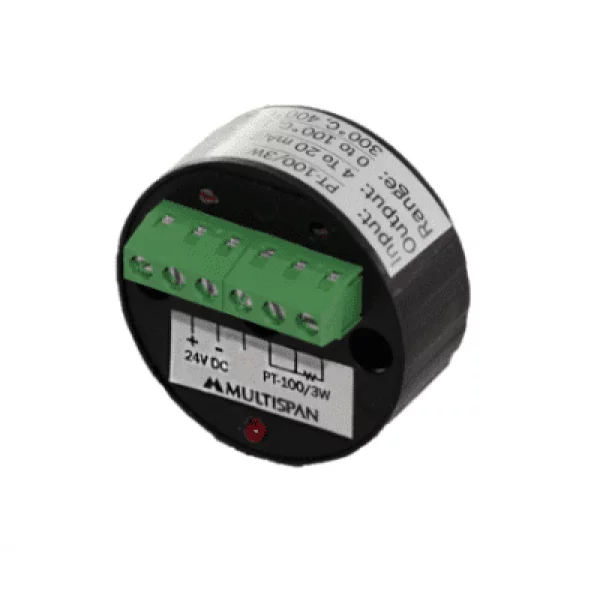
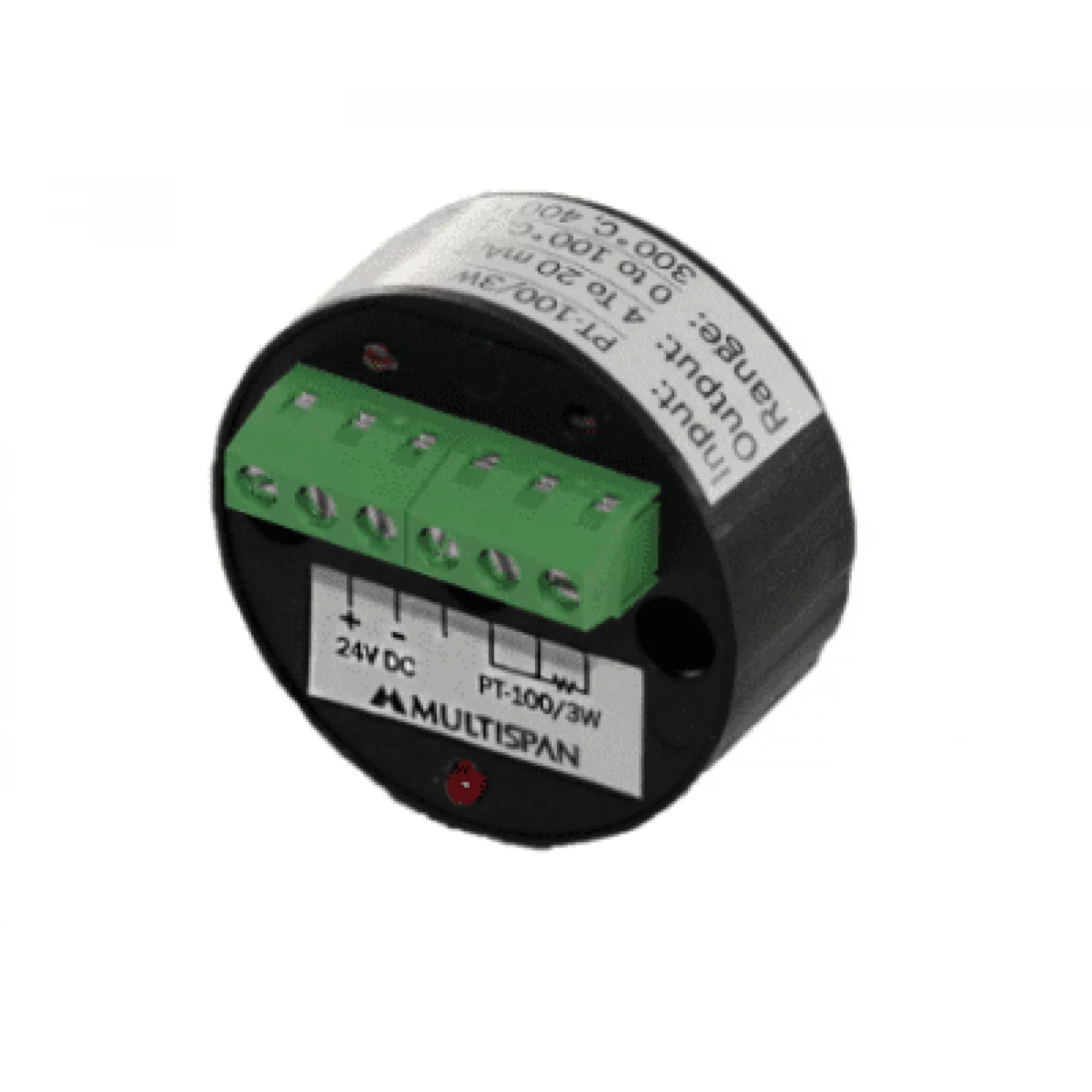
Details of LPT 45 Temperature Transmitter
Choosing a temperature transmitter in Mira-Bhayandar brings a mix of solid tech and price that works for most operations. It’s not just about getting data; it’s about making sure the readings stick to what actually happens on the floor, cutting down surprises.
Precision counts when handling temperature data. We focus on devices that give steady signals even when conditions around shift or sensors age. This helps keep control systems from going haywire and avoids costly downtimes that sometimes sneak up on plants. Then there's the matter of quick response times to sudden shifts, which some transmitters handle better than others.
How These Devices Are Built
Sensors Used: They rely mainly on RTDs and thermocouples designed for industrial use
Signal Output: Standardized 4-20 mA current loops common for integration with controllers
Housing Material: Durable metal enclosures built to resist harsh factory environments
Power Needs: Tend to be low-powered for easier installation in remote spots
The real test comes with how we manage odd situations like electromagnetic interference or physical damage risks. Our transmitters come equipped with built-in protections or are chosen based on where they’ll be placed (like dusty or wet zones). They stand up better over time compared to generic units, saving headaches later on.
This means fewer replacements and less fuss dealing with system errors caused by bad signals. Sometimes, custom calibration gets involved when projects have unusual needs or require tighter controls than standard equipment can deliver (this one plant near Thane is a case in point).
If you want these solutions locked down fast, get in touch soon. We keep stock ready here so there won’t be long waits. Plus, technical support stays close if anything looks off after installation — no delays trying to figure out problems alone.
Offered Product
